

In Orlando Real Estate, new apartment towers, upscale townhomes, and high-end communities can prompt a reasonable question: if the new homes are expensive, how could they possibly help affordability? The answer is more nuanced than a simple yes or no. New market-rate housing is not a complete solution for households with the lowest incomes, but a larger housing supply can reduce pressure across the broader market.
Understanding this relationship matters for buyers, renters, homeowners, investors, and anyone evaluating growth in Central Florida. Housing prices and rents reflect the balance between the number of people seeking homes and the number of homes available in the places they need to live.
Table of Contents
- Does luxury housing make Orlando Real Estate more affordable?
- How moving chains work in a housing market
- Housing supply and rent pressure
- Why prices can rise while construction is happening
- Four misconceptions about building more homes
- What a balanced housing strategy looks like
- Questions to ask before buying or selling near new development
- Key takeaway for Orlando Real Estate
- Additional Central Florida resources
Does luxury housing make Orlando Real Estate more affordable?
It can help at the regional level, especially when enough housing is added to keep pace with demand. A new luxury apartment will usually rent for more than an older apartment nearby. New construction costs money, and homes with new finishes, amenities, and desirable locations command a premium.
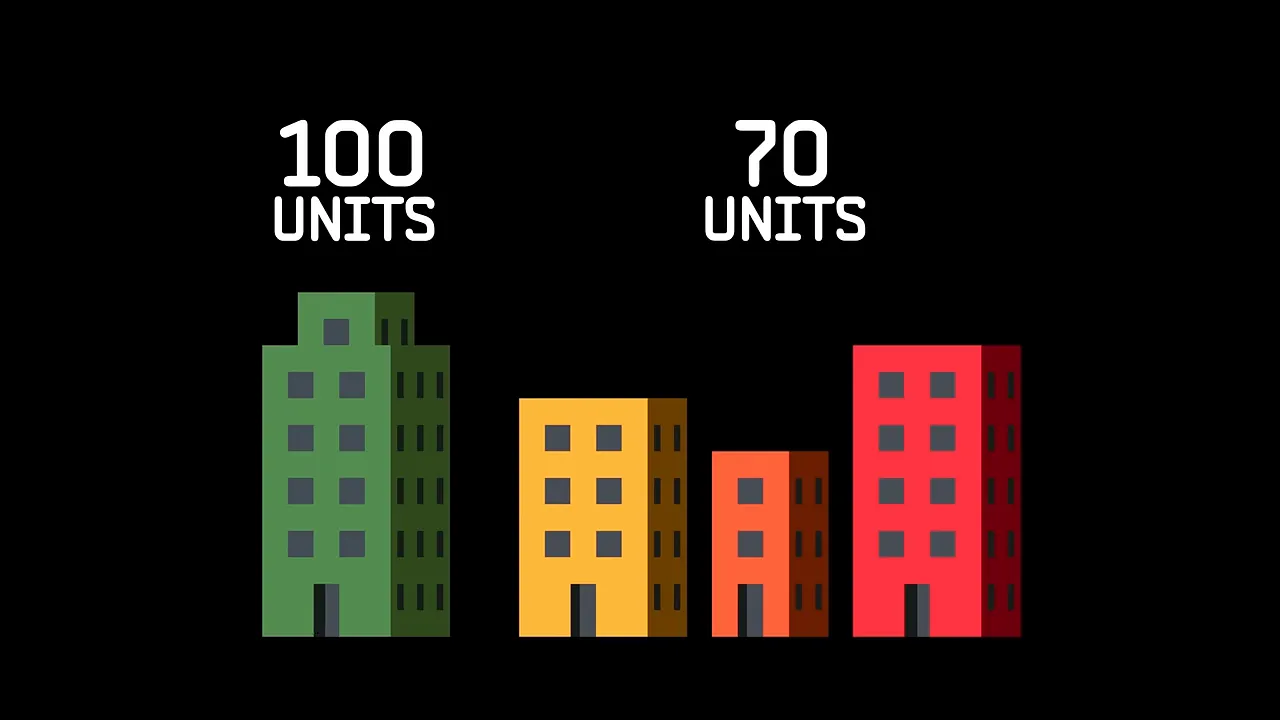
That does not mean the development makes the entire region more expensive. When a household moves into a newly built unit, it leaves another home behind. Another household can then move into that vacancy, opening a further vacancy. Over time, these moves can create a chain of available homes at different price levels.
The key distinction is between:
- The price of one new building: usually higher than older housing nearby.
- The effect on the wider market: more choices can reduce competition for existing homes and slow rent growth.
For Orlando Real Estate, the relevant question is not whether every new unit is immediately affordable to every household. It is whether the total number, location, and variety of homes are sufficient for the region's growing demand.
Selling or buying in Central Florida?
I'm Aleksey Volchek - agent with Kardosh Realtly
Schedule an InterviewHow moving chains work in a housing market
A moving chain begins when someone rents or buys a newly completed home. Their previous home becomes available. The next occupant also leaves a prior home, and the process continues until a household moves from a shared, overcrowded, unstable, or temporary living arrangement into a home of its own.
Research referenced in a study of moving chains in new market-rate housing tracked people who moved into newly built apartments and followed the homes they left behind. The findings showed that new market-rate units can open vacancies in lower-income neighborhoods, demonstrating that housing markets are connected rather than divided into completely separate tiers.
Why older homes matter
Most naturally occurring lower-cost housing was not originally built as low-cost housing. It became more affordable relative to newer options as it aged. Conversely, when a region does not build enough new homes, higher-income households may compete for older homes, bid up prices, and reduce options for everyone else.
This is a useful lens for Orlando Real Estate: preserving existing attainable homes matters, but preservation alone cannot absorb new demand. A healthy market needs both existing housing and a steady pipeline of new choices.
Housing supply and rent pressure
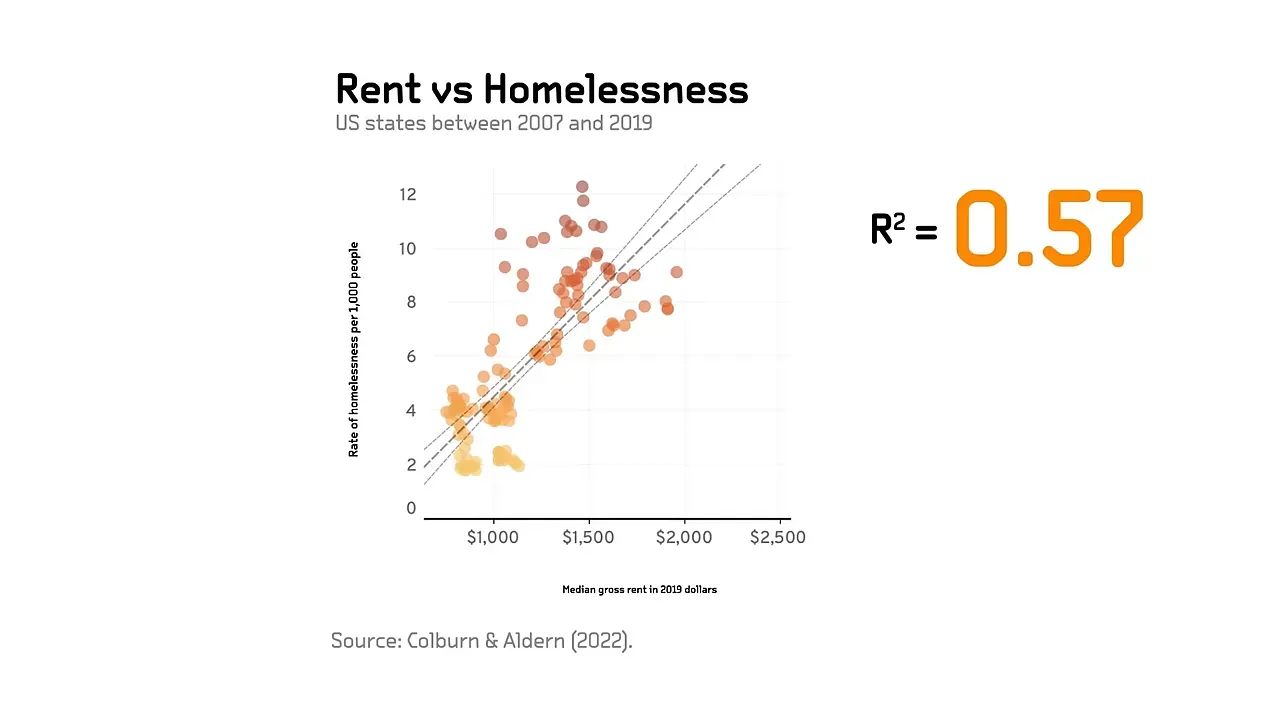
High rents are strongly associated with higher rates of homelessness across expensive housing markets. That relationship does not mean mental health care, substance-use treatment, income support, and emergency services are unimportant. Many people need those supports. However, assistance is more effective when rents and development costs are not prohibitively high.
Housing supply can help in two ways:
- It gives renters more options, requiring landlords to compete more actively for residents.
- It can lower the cost of creating and operating housing programs for households needing deeper assistance.
Evidence discussed in the source material found that cities adding more housing experienced relatively modest rent increases compared with national trends during the same period. The lesson is not that construction makes rents fall instantly in every neighborhood. It is that additional supply can keep housing costs lower than they otherwise would have been.
Why prices can rise while construction is happening
One of the most common objections in Orlando Real Estate is simple: “New buildings are going up, but prices are still increasing.” That observation can be true without proving that construction caused prices to rise.
Often, developers respond to demand that was already pushing prices upward. By the time a project is approved and completed, the area may have experienced years of population growth, job growth, and household formation. New supply can be substantial but still insufficient relative to the demand arriving at the same time.
Think of it this way: seeing more homes built while rents rise does not necessarily show that supply failed. It may show that demand was growing even faster. Without the added homes, rents could have risen further.
Neighborhood effects versus regional effects
A new mixed-use building, restaurant cluster, park, or walkable streetscape may make its immediate surroundings more desirable. Local prices can rise because households value access and convenience. Yet broader supply can still reduce market pressure across the region by providing more places for people to live.
That is why decisions about Orlando Real Estate should assess both the block-level effect and the regional housing need. Focusing only on the newest building can overlook the demand that would otherwise spill into older homes throughout the area.
Four misconceptions about building more homes
1. “More housing always means more displacement.”
New construction can change a neighborhood, so concerns about displacement deserve serious attention. But the evidence discussed in the source material does not support the assumption that additional supply inherently causes significant displacement of lower-income households. Some research finds that new housing can reduce the likelihood of displacement by easing competition for existing homes.
Good policy can pair new homes with tenant protections, subsidized housing, and preservation of existing affordable units. These approaches are complements, not substitutes.
2. “This is just trickle-down economics.”
Building homes that people actually occupy is different from giving tax benefits to wealthy households and hoping the benefits spread. Housing is a physical good with a finite supply. When more homes exist, more households can occupy homes instead of competing for the same limited inventory.
3. “Institutional investors will buy everything anyway.”
Investor activity can be a legitimate concern, particularly when buyers concentrate in markets where supply is constrained. But restricted supply is part of what makes homes more valuable and rents easier to raise. Increasing the number of homes makes scarcity less profitable and gives renters and buyers more alternatives.
4. “There are already enough vacant homes.”
Vacancy is not always a sign of excess housing. A functioning market needs some vacant homes so people can move, compare options, and avoid being trapped in place. Vacancies can also be located far from jobs and services, in poor condition, or used seasonally.
Converting second homes and short-term rentals into long-term housing may add useful supply, but it is unlikely to cover an entire region’s needs by itself. A durable Orlando Real Estate strategy must account for both better use of existing homes and construction of additional homes.
What a balanced housing strategy looks like
There is no reason to choose only one type of housing. A more resilient approach includes homes across price points and formats, such as apartments, townhomes, smaller single-family homes, subsidized units, and supportive housing for people with the greatest needs.
A practical local framework includes:
- Build enough homes: Allow supply to respond to demand in appropriate locations.
- Support affordable and social housing: Market-rate construction cannot meet every need on its own.
- Preserve existing attainable housing: Older apartments and homes often provide critical lower-cost options.
- Plan for infrastructure: Transportation, schools, utilities, and public spaces must grow with housing.
- Use location wisely: Homes near jobs, services, and transportation are more useful than homes that only exist somewhere in the region.
For buyers, the practical implication is to look beyond headlines about a single development. Inventory, neighborhood access, future construction, and the range of housing types can all shape the long-term outlook for Orlando Real Estate.
Questions to ask before buying or selling near new development
New development can influence desirability, competition, and future inventory. Before making a move in Orlando Real Estate, consider these questions:
- What housing is planned, approved, or under construction nearby?
- Will the project add rentals, homes for sale, or both?
- How might it affect traffic, walkability, nearby businesses, and amenities?
- Is the area adding homes across several price points or only one product type?
- How much resale and rental inventory already exists in the neighborhood?
- Does the location offer practical access to employment centers and daily services?
Buyers should also prepare their financing before beginning a serious home search. This Central Florida homebuyer financing guide explains credit expectations, loan options, down-payment misconceptions, and questions to ask a lender.
Key takeaway for Orlando Real Estate
Luxury housing is not a replacement for dedicated affordable housing, housing assistance, or services for vulnerable households. But treating new market-rate homes as irrelevant to affordability misses how connected the housing market is.
More homes, including market-rate homes, can create vacancies, reduce competition for older housing, and make other affordability efforts stretch further. For Orlando Real Estate, the strongest long-term approach is a diverse supply of homes that gives more people a realistic path to stable housing.
Additional Central Florida resources
For help navigating a purchase, sale, or local market decision, explore Central Florida real estate services or schedule a Central Florida real estate interview.
This article was created from the video What Luxury Housing Does To Homelessness with the help of AI.